
Houston Homes & Humidity: Design Choices that Hold Up in Texas Weather
Houston doesn't ease you in. The heat arrives in May and doesn't apologize as the humidity settles in like a houseguest who can’t tell they have overstayed their welcome, and the storms, when they come, mean business. If you've lived here long enough, you already know all of this, but what you might not know is just how much it should be informing the design of your home.
In my years of designing homes across the Houston area, I've seen what happens when climate isn't part of the conversation from the start. The hardwood floors that looked stunning at install started cupping by year two. The drapery panels that faded beyond recognition after one south-facing summer. The paint finish that couldn't hold up to the moisture cycling through a home that goes from 98º degrees outside to 72º inside, every single day.
The wrong material choices in this climate don't just look bad eventually. They fail. That’s why working with a local interior designer who understands exactly what Houston’s climate throws at a home—from the UV exposure to the humidity and the temperature swings—is one of the most important decisions you can make before a single finish is selected.
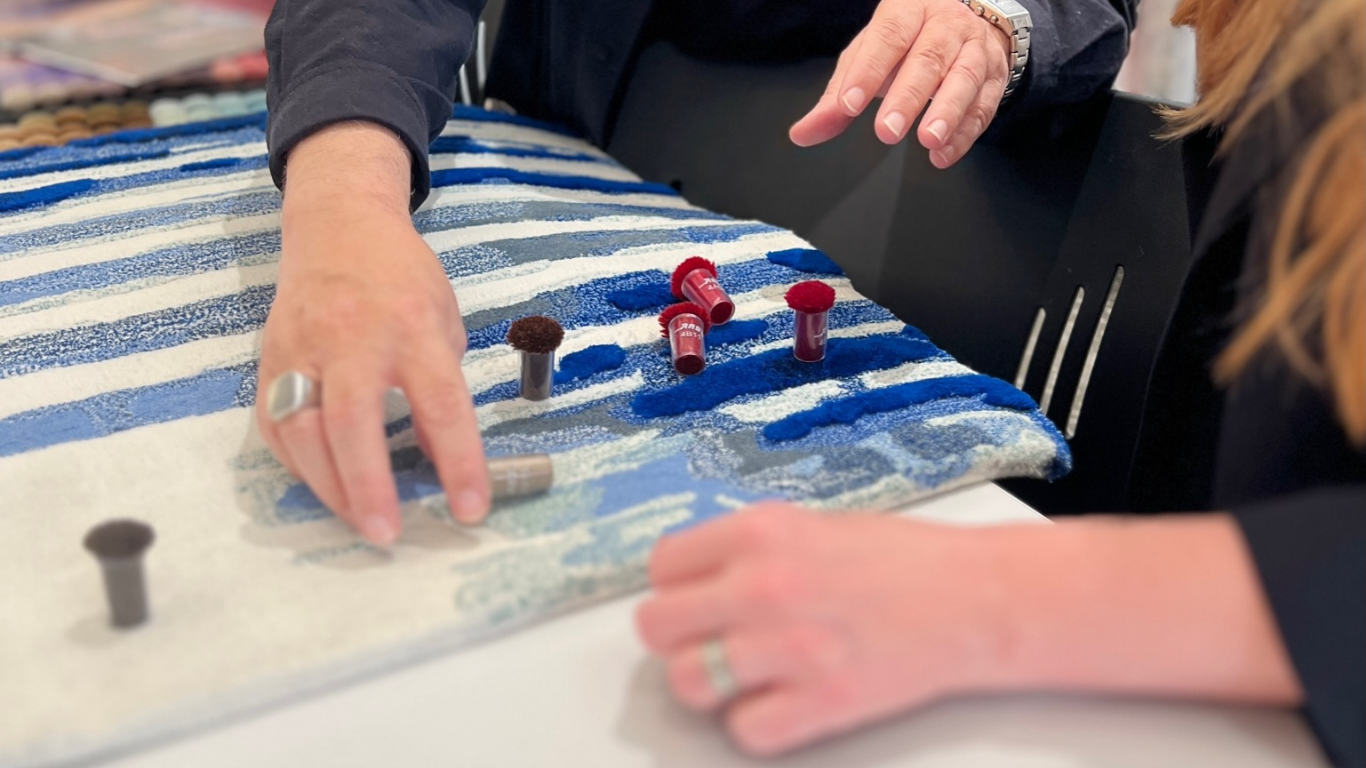
Houston's Climate Has Opinions About Your Design Choices
Houston sits in a humid subtropical climate zone, which means hot, heavy summers, mild winters, and rainfall that can be unforgiving. Average humidity hovers between 75 and 90 percent for much of the year, and the city sees enough severe weather that storm resilience is a practical consideration as much as it’s a luxury one.
What that means for your home, specifically:
Wood expands and contracts. Humidity causes solid wood to swell; aggressive air conditioning causes it to contract. Do that repeatedly over several years, and you get floors that gap, warp, or buckle, and cabinetry that (not so) suddenly doesn't close the way it used to.
Fabrics fade faster. Houston's UV index is no joke. South- and west-facing rooms can degrade certain textiles significantly within a year or two of installation. Choosing the right materials means maintaining more than the room’s color scheme.
Paint finishes behave differently here. High-moisture environments are no friend to flat finishes. Sheen isn't just an aesthetic choice; in Houston, it's a functional one, too.
Materials have to handle both extremes. The swing between outdoor heat and heavily air-conditioned interiors is one of the most underestimated stressors on a home's finishes and furnishings. What works in a drier, more temperate climate often doesn't translate here.
At Studio Elle, the climate isn't something to work around; we design with it. The result is a home that's as intentional as it is beautiful, and built to prove it.
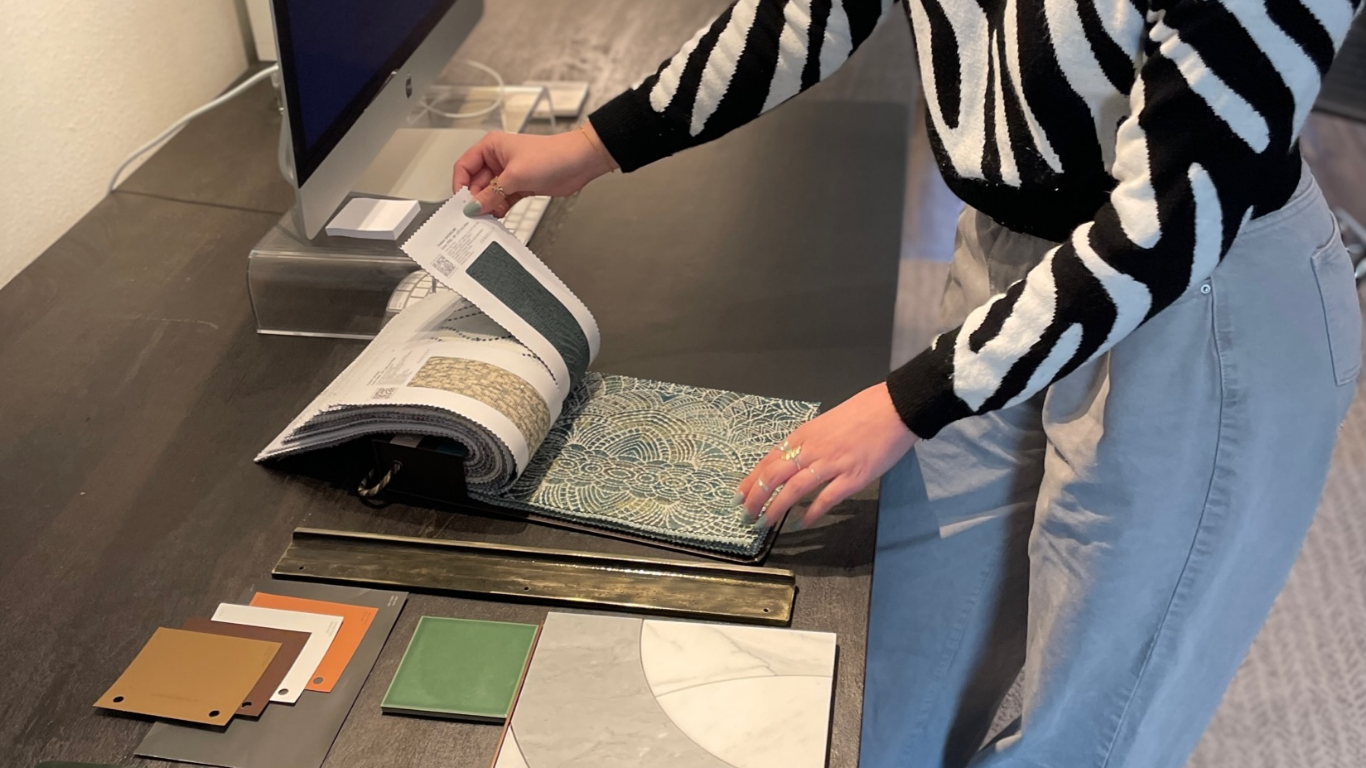
Materials That Maintain Luxury, Homes That Stand Up to Houston's Climate
The details here matter most, and working with an experienced residential interior design team makes the biggest difference.
Flooring: Engineered hardwood is almost always the right call over solid wood floors in Houston. It's constructed to handle humidity fluctuations without the expansion and contraction problems that plague solid planks. Porcelain tile is another workhorse—durable, moisture-resistant, and available in finishes that read like natural stone without the maintenance. We steer clients away from solid hardwood in moisture-prone areas, laminates that bubble and peel, and wall-to-wall carpeting in a climate where moisture management is critical.
Fabrics and upholstery: Performance fabrics have come a long way. Crypton, Sunbrella for indoor use, and solution-dyed acrylics offer genuine humidity and fade resistance without looking clinical. We believe "performance" doesn't mean it looks like a waiting room; rather, it means it looks like your home, and the proof is in the way it holds up.
Paint finishes: Satin and eggshell over flat, almost universally in Houston homes. The sheen makes walls easier to clean and significantly more resistant to moisture damage over time. Flat finishes in high-humidity spaces are one of the most common, and most avoidable, oversights.
Window treatments: UV-blocking liners and solar shades protect furnishings without sacrificing the quality of light. In a south-facing room, the right window treatment is protecting every other investment in that space.
Outdoor Living in Houston: Designed to Last, Not Just to Look Good
Houston outdoor living doesn’t have to be a three-month proposition. With the right design, it's genuinely possible to enjoy your outdoor spaces year-round. That influences how seriously the material selection needs to be taken.
Teak and ipe hold up to Texas summers in ways that lesser hardwoods simply don't. Outdoor-rated fabrics in performance weaves resist both UV degradation and the inevitable humidity. The difference between covered and uncovered areas matters enormously, too. What works under a pergola isn't always appropriate in full sun exposure.
At Studio Elle, outdoor spaces receive the same level of attention as any interior room, including the same detailed questionnaire process that informs every material and feature decision. The best Houston home designs make the indoor-outdoor transition feel seamless. That kind of continuity requires the same intentionality outside as in. It also requires close collaboration with the architects and builders who shape those spaces from the ground up, because the best design outcomes happen when everyone is speaking the same language before the foundation is poured.
Why It Matters Who Designs Your Houston Home
Knowing this market isn't something you learn from a mood board. It comes from designing homes here, sourcing from local vendors, understanding what the climate does to materials over the years, and building relationships with the architects, builders, and trades who make great work possible.
A designer who knows Houston makes different choices from the start, avoiding the need for corrections later. The material decisions that protect your investment— engineered hardwood over solid, performance fabric versus the beautiful-but-fragile option, satin paint finish over flat—aren't lessons learned the hard way. They're the baseline standards when you work with someone who truly understands what your home is up against.
When it comes to interior designer costs, the most important thing to understand is this: the right designer doesn't add expense; they prevent it. Every costly mistake avoided at the selection stage is money that stays where it belongs.
The Right Fit, at the Right Time
Great home design isn't only about what looks beautiful. What makes it great is that it lasts through summers, storms, and years of real life happening inside it.
If you think your project might be the right fit, we'd love to hear about it. Browse our portfolio to get a feel for the work, and when you're ready to start the conversation, we'd love to explore your project. Studio Elle works with a select number of clients each year, collaborating closely with homeowners, architects, and builders to create homes that are as thoughtfully constructed as they are beautifully designed.
Houston's climate makes its own rules. We've been designing by them for years. We'd love to bring that knowledge to your home.